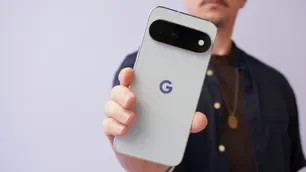
The HiLight multi-color flash on the Pixel 11 Pro is the kind of subtle, almost hidden feature that reminds me why I fell in love with Android phones in the first place, the golden era when every flagship genuinely tried to surprise you. Announced at Made by Google on August 12 and shipping August 20, both the $1,099 Pixel 11 Pro and the $1,299 Pixel 11 Pro XL include this redesigned flash module, which uses multiple LEDs tuned to different color temperatures so the camera can dynamically match the ambient light of any scene. In practice, that means your indoor party photos no longer suffer the harsh, blue-white blowout that has plagued smartphone flash photography for a decade. Skin tones stay warm and natural, backgrounds keep their actual mood lighting, and the difference is obvious the first time you shoot in a dim restaurant or a candlelit room. What makes this feel so distinctly old Android is that Google did not build it to win a spec war. Samsung's Galaxy S26 Ultra still has the higher megapixel count, and Apple's iPhone line will undoubtedly claim some new sensor record. The HiLight flash exists because someone at Google noticed flash photos have looked bad for years and decided to fix it. It is the same philosophy that drove Now Playing, Call Screening, and Magic Eraser, small, thoughtful, genuinely useful improvements that do not need a marketing slogan. After two weeks with the Pixel 11 Pro in the striking Hibiscus finish, the HiLight flash has quietly become the feature I show people first, not because it is flashy, but because it just works. In a 2026 where AI dominates every headline and every device chases the same Tensor G6 and Snapdragon benchmarks, this kind of understated hardware innovation is exactly what makes the Pixel line special. Paired with Android 17's cleaner interface and the new suspicious activity logging, the Pixel 11 Pro feels like a phone built by people who actually use phones, and the HiLight flash is the clearest proof of that philosophy.
The Pixel 11 Pro's HiLight multi-color flash is the understated 2026 feature that reminds me why I love Android
NextGen Tech