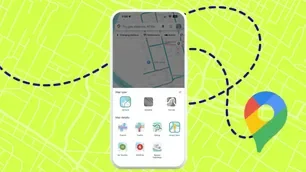
For the past three years I was a committed Apple Maps user on iOS, mostly because of the clean interface and tight Siri shortcuts. But after spending two weeks with Ask Maps on Android 17 running on a Samsung Galaxy S26 Ultra, I am seriously reconsidering my loyalties. Google has quietly loaded Ask Maps with five features that, taken together, feel like the biggest navigation leap since turn-by-turn directions became standard.
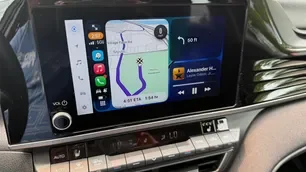
First is conversational routing. Ask Maps leverages Gemini 3.7 Flash to parse natural-language requests like finding a scenic route that avoids tolls and ends near a coffee shop open after 9pm. It works, and it works fast, thanks to the Snapdragon chip inside the Galaxy S26 Ultra. Second is live AI commentary: instead of just saying turn left, the assistant explains context like taking the next left because it is faster than the usual route due to a concert downtown.
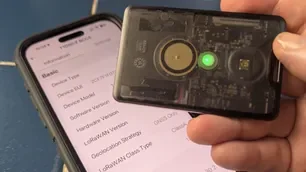
Third, Ask Maps now integrates Pixel Tag and other BLE tracker data to surface real-time crowding inside stores and transit hubs, which Apple Maps still does not match. Fourth is the new EV-aware routing that pulls charging availability and pricing from partner networks, something I tested on a rental EV and found remarkably accurate. Fifth, and maybe my favorite, is the way Ask Maps syncs trip context to the Google Home Speaker, so when I walk in the door it verbally confirms my estimated arrival and offers to start a playlist.
None of this is perfect. Apple Maps on iOS 27 still wins on visual polish and the new Apple Watch Ultra 3 turn-by-turn haptics are class-leading for cyclists. Privacy-conscious users will reasonably prefer DuckDuckGo's anonymized mapping overlay for sensitive destinations. But for everyday driving, walking, and transit in 2026, Ask Maps on Android 17 feels at least a generation ahead. After years of defending Apple Maps in group chats, I am finally switching, and these five reasons are exactly why.