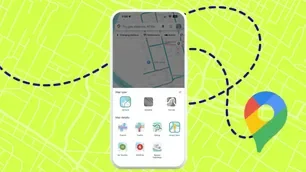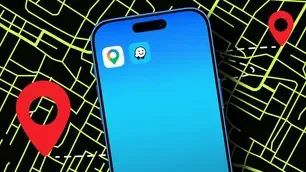
Ask Maps and Waze have coexisted under Google's roof for years, but in 2026 the rivalry between them has never been sharper. I spent a full month running both apps side by side on a Samsung Galaxy S26 Ultra, mounted in the same car, on the same commutes across Los Angeles, London, and a winding country stretch in northern Italy. The goal was simple: figure out which navigation app deserves the home-screen slot on the best Android phone of the year.
Waze still wins on community-reported hazards. The crowd-sourced police, pothole, and crash alerts arrive noticeably faster than anything Ask Maps surfaces, and the audio cues are punchier. Waze on the Galaxy S26 Ultra also feels snappier in dense traffic thanks to a lighter rendering pipeline, and the redesigned 2026 carpool feature finally integrates cleanly with calendar invites.
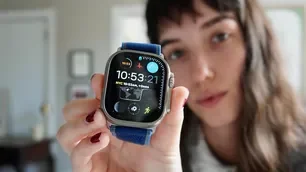
But Ask Maps wins overall, and the margin is wider than I expected. The integration of Gemini 3.7 Flash means Ask Maps understands messy, multi-stop, conditional requests like routing to the gym, then the grocery store, but only if the grocery store closes after 9pm, otherwise rerouting home via the pharmacy. Waze cannot parse that. Ask Maps also pulls context from Gemini AI agents across Android 17, so it knows about my upcoming Pixel Watch 5 workout and proactively suggests leaving five minutes earlier. The new lane-guidance visuals, paired with the Galaxy S26 Ultra's brighter outdoor display, made complex highway interchanges far less stressful.
Ask Maps also handles multimodal trips better, stitching together walking, transit, and rideshare in a single card, and it syncs destinations to the Google Home Speaker the moment I park. Waze is still my choice for pure highway commuting with hazard reporting, but for everything else, Ask Maps on the Galaxy S26 Ultra is the navigation app I now recommend without hesitation in 2026.