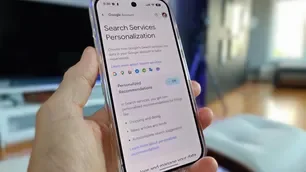
Google has quietly expanded the data sets it uses to train Gemini 3.0 Ultra, and if you own a Pixel 11, Pixel 11 Pro, or Pixel 11 Pro XL, the change almost certainly affects you. The new policy, rolled out through a Google Account update in mid-2026, pulls in conversational history from Gemini AI agents, certain Google Photos metadata, and interaction logs from the Google Home Speaker, all of which were previously treated as more sensitive than generic search activity. The company frames this as necessary to make Gemini 3.0 Ultra competitive with Claude and ChatGPT, both of which have aggressively expanded their training pipelines this year.
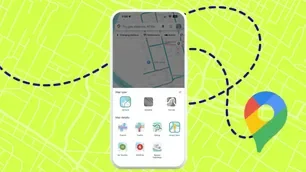
The shift matters because the Tensor G6 chip inside the Pixel 11 line is designed to do more on-device AI work than any previous generation. That means far more of your ambient data, voice queries, typing patterns, and app usage signals are now within reach of the training pipeline unless you actively opt out. Google insists all data is anonymized before training, but privacy researchers have repeatedly shown that anonymization is weaker than users assume, especially when combined with location history from Ask Maps.
Fortunately, opting out is straightforward if you know where to look. On your Pixel 11, open the Google app, tap your profile picture, then Settings, then Gemini Apps and Services, then Data and Personalization. There you will find a new toggle labeled to allow Gemini to learn from your device activity to improve future models. Turn it off. You should also disable the separate toggle inside Google Photos settings under Help Improve AI Features, and review the Google Home Speaker privacy settings in the Home app, which has its own opt-out buried two menus deep.
None of this disables Gemini 3.0 Ultra itself; it only stops your personal data from contributing to future training runs. If you want stronger privacy across the board, DuckDuckGo and Perplexity both offer AI search alternatives that do not retain query history by default. But for Pixel 11 owners who want to keep using Google's ecosystem without becoming an unwilling training data source, these opt-out steps are essential in 2026.