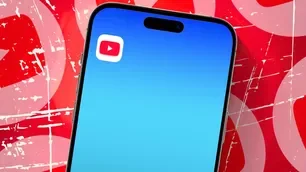
YouTube ships with dozens of default settings that made sense in 2022 but feel actively counterproductive on a 2026 flagship like the Pixel 11 Pro. After a week of obsessive tweaking, I landed on twelve changes that meaningfully improve playback quality, battery life, and the new Gemini-powered recommendation engine. Most of these take less than a minute each, and together they transformed how the app behaves on the Tensor G6 chip.
First, disable autoplay by default. Gemini 3.7 Flash now surfaces a smarter next-up suggestion card anyway, so you do not need the app jumping into random videos. Second, switch video quality from Auto to 1080p or 4K when on Wi-Fi; the Pixel 11 Pro display makes the upgrade obvious. Third, turn on the new AI Chapters toggle, which uses on-device Gemini Nano Banana to auto-generate chapter markers for videos that lack them. Fourth, enable Smart Downloads with the new AI Curation option, which picks videos based on your watch history and calendar downtime.
Fifth, turn off ambient mode, which looks nice but drains battery on the Pixel 11 Pro's brighter panel. Sixth, restrict background play to Wi-Fi only to preserve 5G data. Seventh, enable the new Ask Maps-style conversational search inside YouTube, so you can search with phrases like finding long-form interviews about the Galaxy S26 Ultra. Eighth, link YouTube to your Google Home Speaker so playback handoff works when you walk into the living room. Ninth, turn off mixed-use watch history if you share the account. Tenth, enable the Gemini AI agents summary card on long videos. Eleventh, disable notifications for live streams you do not care about. Twelfth, enable the new privacy toggle that stops YouTube from feeding your watch history into Gemini 3.0 Ultra training.
That last one is especially important given the expanded data collection Google quietly rolled out this year. With these twelve changes, the Pixel 11 Pro feels less like a generic Android phone and more like a tuned, personal media device that leverages Gemini, the Tensor G6 chip, and Android 17 the way they were designed to be used in 2026.