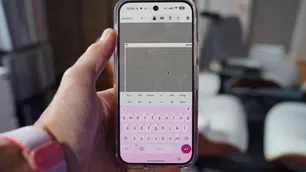
Android 17 quietly shipped with one of the most exciting power-user features Google has added in years: native support for running Linux GUI apps through a containerized subsystem, similar to Chrome OS's Crostini. On the Pixel 11, powered by the Tensor G6 chip, this opens the door to running real desktop-class tools like GIMP, Inkscape, and even VS Code directly on your phone, with a Bluetooth mouse and keyboard or a USB-C dock. After a month of daily use, here is how it works and what you should know before diving in.
Setup is straightforward. In Settings, go to System, then Developer Options, then Linux Subsystem, and enable it. Android 17 downloads a small Debian-based image and boots it in a sandbox. From there, you can install apps the normal Linux way, and they appear in your app drawer with proper icons. On the Pixel 11, the Tensor G6 chip handles compilation and heavy rendering surprisingly well; GIMP with a 50-megapixel photo from the HiLight multi-color flash was usable, if not buttery.
The benefits are obvious. Developers can run a real terminal, data analysts can use Jupyter notebooks locally, and designers get access to tools that have no native Android equivalent. Paired with the Pixel 11 Pro Fold's larger inner display, the experience approaches a lightweight laptop. Gemini 3.7 Flash also integrates with the terminal, so you can ask it to generate bash commands or debug scripts in natural language.
But there are real trade-offs. Battery life takes a noticeable hit during sustained Linux workloads, the subsystem consumes several gigabytes of storage, and graphical performance is limited compared with a native desktop GPU. Some apps expect a keyboard shortcut layer that Android does not perfectly emulate. Security is also a consideration; while the container is isolated, you are still running an entire Linux userland on a phone that holds your banking apps and Gemini AI agents. If you understand the risks and want a true pocket workstation, Android 17 on the Pixel 11 finally delivers it. If you only occasionally need a Linux tool, a cloud VM is still the simpler choice in 2026.