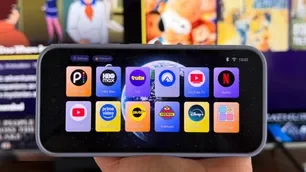
I had an old Pixel 8 Pro sitting in a drawer, and after upgrading to a Pixel 11 Pro XL this year, I was about to trade it in for a negligible credit. Then I realized I could repurpose it as a dedicated streaming stick for my living-room TV and the new Google Home Speaker, saving the cost of a Chromecast or a separate streaming dongle. The whole project took about twenty minutes, and the result is genuinely better than the dedicated streaming stick it replaced. Here are the six steps.
First, factory reset the old Pixel and install only the streaming apps you need: YouTube, Netflix, Plex, and the Google Home app for speaker integration. Second, enable Developer Options and turn on the new Android 17 Display Port Alternate Mode, which lets the USB-C port drive an HDMI signal to your TV without a special dock. Third, plug in a USB-C to HDMI adapter and connect it to the TV.
Fourth, install a screen-saver app that pulls ambient art from Google Photos, so the TV looks intentional when not actively streaming. Fifth, pair the phone with the Google Home Speaker so audio routes to the speaker automatically when video plays, and so Gemini 3.7 Flash on the speaker can handle voice search and playback control. Sixth, mount the phone discreetly behind the TV with a small adhesive bracket, plug in a permanent power cable, and you are done.
The result is a streaming setup that leverages the Tensor G6 chip's video decoding, Android 17's improved casting, and the Google Home Speaker's Gemini AI agents for hands-free control. Because it is a real Android phone, you can run any app, including DuckDuckGo's ad-blocking browser for YouTube, which a stock streaming stick cannot do. Gemini Nano Banana even generates on-device captions for apps that lack them. The only downside is that the phone's battery will degrade faster if kept at 100 percent constantly, so I set a charge limit at 80 percent. For a free upgrade path, this is hard to beat in 2026.