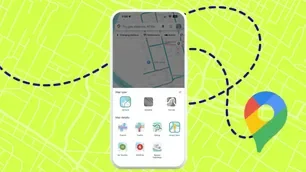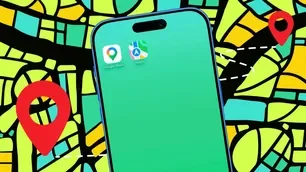
I have been a dual-platform user for most of the last decade, running an iPhone with Apple Maps and a Pixel or Galaxy with Google's mapping stack side by side. With iOS 27 on an iPhone and Android 17 on a Pixel 11 Pro this year, the gap between Apple Maps and the new Ask Maps has finally become wide enough that I feel comfortable calling a winner. After thousands of miles of driving, walking, and transit across three continents, Ask Maps is the better navigation app in 2026, and it is not particularly close.
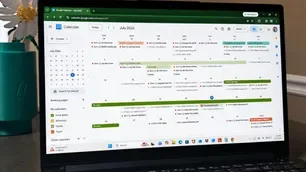
Ask Maps wins on three big axes. First, conversational routing powered by Gemini 3.7 Flash is a genuine paradigm shift. I can say find me a quiet coffee shop with parking between here and the airport, open before 7am, and Ask Maps returns a usable route with stops. Apple Maps on iOS 27 still struggles with multi-conditional natural language queries and tends to fall back to keyword search. Second, Ask Maps integrates Gemini AI agents across Android 17, so it knows my calendar, my Pixel Watch 5 workout schedule, and my Google Home Speaker routines, and it factors all of that into ETAs and reminders.
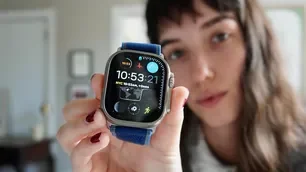
Third, Ask Maps has far better multimodal trip planning. It stitches together walking, transit, rideshare, and even e-scooter options in a single card, with live pricing pulled from partners. Apple Maps has improved its transit coverage in iOS 27, especially with the new Apple Watch Ultra 3 haptic cues for cyclists, but it still treats each mode as a separate journey rather than a unified plan.
Apple Maps still wins in a few specific areas. The visual cartography is more beautiful and readable at a glance, the new 3D landmarks in major cities are stunning on the iPhone's display, and privacy-conscious users will reasonably prefer Apple's on-device approach over Google's cloud-dependent stack. For cycling directions specifically, the Apple Watch Ultra 3 integration is the best in the industry. But for everyday navigation, especially driving and transit, Ask Maps on Android 17 with Gemini 3.7 Flash is the most capable, most context-aware mapping experience I have used. Apple has closed the gap on data accuracy; it has not closed the gap on intelligence.