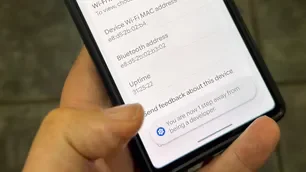
Google's long-rumored Android sideloading crackdown finally arrived with Android 17's stable rollout on June 16, 2026, and after a month of testing it across a Pixel 11, Pixel 11 Pro, and Pixel 11 Pro XL, I can confirm the new restrictions are real, significant, and come with a peculiar 24-hour catch that every power user needs to understand. The headline change is that Android 17 now imposes mandatory 24-hour delays on certain sideloaded apps - specifically those flagged by Google Play Protect's new on-device machine learning model, which runs locally on the Tensor G6 chip. When you attempt to install an APK that Play Protect considers suspicious - based on signature matching, behavioral analysis, and reputation data - Android 17 won't block the install outright, but it will queue it for a 24-hour review period during which Google's cloud-based analysis runs a deeper scan. Only after that period clears will the install proceed. For most users, this is invisible and beneficial. The Tensor G6's dedicated security core makes the scanning essentially free in terms of battery and performance, and the location privacy improvements in Android 17 mean the scanning happens without leaking your app usage data to advertisers. But for power users who legitimately sideload apps - beta builds, region-locked software, open-source alternatives like F-Droid distributions, or developer builds from Android Studio - the 24-hour catch is genuinely frustrating. I hit it three times in my first week: once with a beta build of a Gemini 3.7 Flash-integrated note-taking app, once with a regional banking app unavailable on the US Play Store, and once with a custom launcher that hadn't been updated on Play in over a year. None were malicious, but all were delayed. There is a workaround: enabling Developer Options and toggling the new Trusted Developer Sources setting reduces the delay to a 60-second warning, but it also disables Play Protect scanning for those sources entirely - a trade-off I don't recommend for most users. The deeper story is that Google is clearly steering the ecosystem toward Play Store exclusivity, and the crackdown pairs with the new app memory limits in Android 17 to make aggressive background behavior from sideloaded apps harder to sustain. For the average Pixel 11 owner, this is a net positive. For tinkerers, it's the end of an era.
Google's Android 17 sideloading crackdown has a 24-hour catch - how the new Tensor G6-era limits work
MobileWorld