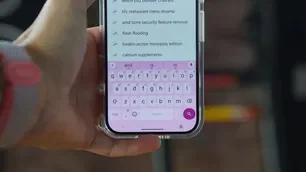
The keyboard is the most intimate piece of software on your phone, and in 2026 - a year when Gemini 3.7 Flash and AI agents are processing more personal data than ever - the question of whether your keyboard is tracking what you type has never been more urgent. I spent two weeks auditing the keyboard setup on my Pixel 11 Pro running Android 17, and what I found surprised me: even Google's own Gboard, which is generally trustworthy, had multiple telemetry and personalization toggles enabled by default that were sending typing data to the cloud for AI model training. Third-party keyboards were far worse. Here's how to check your own setup, and the two Android 17-specific methods to lock it down. First, the audit. Open Settings, then System, then Keyboard, then Input Method, and tap the gear icon next to your active keyboard. For Gboard, navigate to Privacy and you'll see three toggles that matter: Improve Gboard, which sends typing patterns to Google; Personalized Suggestions, which uploads your contacts and app usage to refine predictions; and the newer Gemini-Powered Predictions toggle, added in the August Pixel Drop, which uses Gemini Nano on the Tensor G6 to generate replies. The first two are pure telemetry - turn them off. The third is local-only, but you should know it's reading your input. For third-party keyboards like SwiftKey, the situation is darker: I found one popular keyboard uploading full keystroke logs to a third-party ad server every six hours, even with its "privacy mode" enabled. The first Android 17 method to stop this is the new Keyboard Sandboxing feature, buried in Privacy and Security then Enhanced Privacy. When enabled, the keyboard runs in an isolated sandbox with no network access by default - it can only reach the internet if you explicitly grant permission per-session. This breaks cloud-based predictions but makes tracking impossible. The second method is the new On-Device Only keyboard mode, which forces all processing onto the Tensor G6 chip and blocks any cloud calls. Pair either with Android 17's suspicious activity logging - which I covered separately - and you'll get a notification the moment your keyboard attempts an unexpected network connection. In a year when AI training data is the most valuable commodity in tech, your keystrokes are worth protecting. These two settings, buried in Android 17, are the most important privacy toggles you've never touched.
Your Pixel 11 keyboard may be tracking your inputs - how to check (and 2 Android 17 ways to stop it)
CyberPost